Menu
Same-Day Service Available!
A drink tips over. A pet tracks in mud. A child drops a snack with bright-colored sauce. In a busy home, spills happen quickly, and they almost always happen on the rug everyone loves most. The first reaction is usually panic. Many homeowners grab a towel and start scrubbing as fast as possible. It feels like the right move in the moment, but rubbing a spill can make the stain spread deeper into the rug fibers.
Area rugs add warmth, comfort, color, and personality to a home. They also collect daily dirt, dust, crumbs, pet hair, allergens, odors, and spills. Because rugs often sit in high-traffic areas, they can absorb more than homeowners realize. Over time, even a rug that looks fairly clean can hold hidden soil beneath the surface.
Safe-Dry® has spent more than 30 years helping families enjoy cleaner, healthier homes with safe, hypoallergenic, soap-free, and quick-drying cleaning options. For homeowners in Chapin, South Carolina 29036, professional area rug cleaning can help protect rugs from everyday wear while also improving the comfort and freshness of the home.
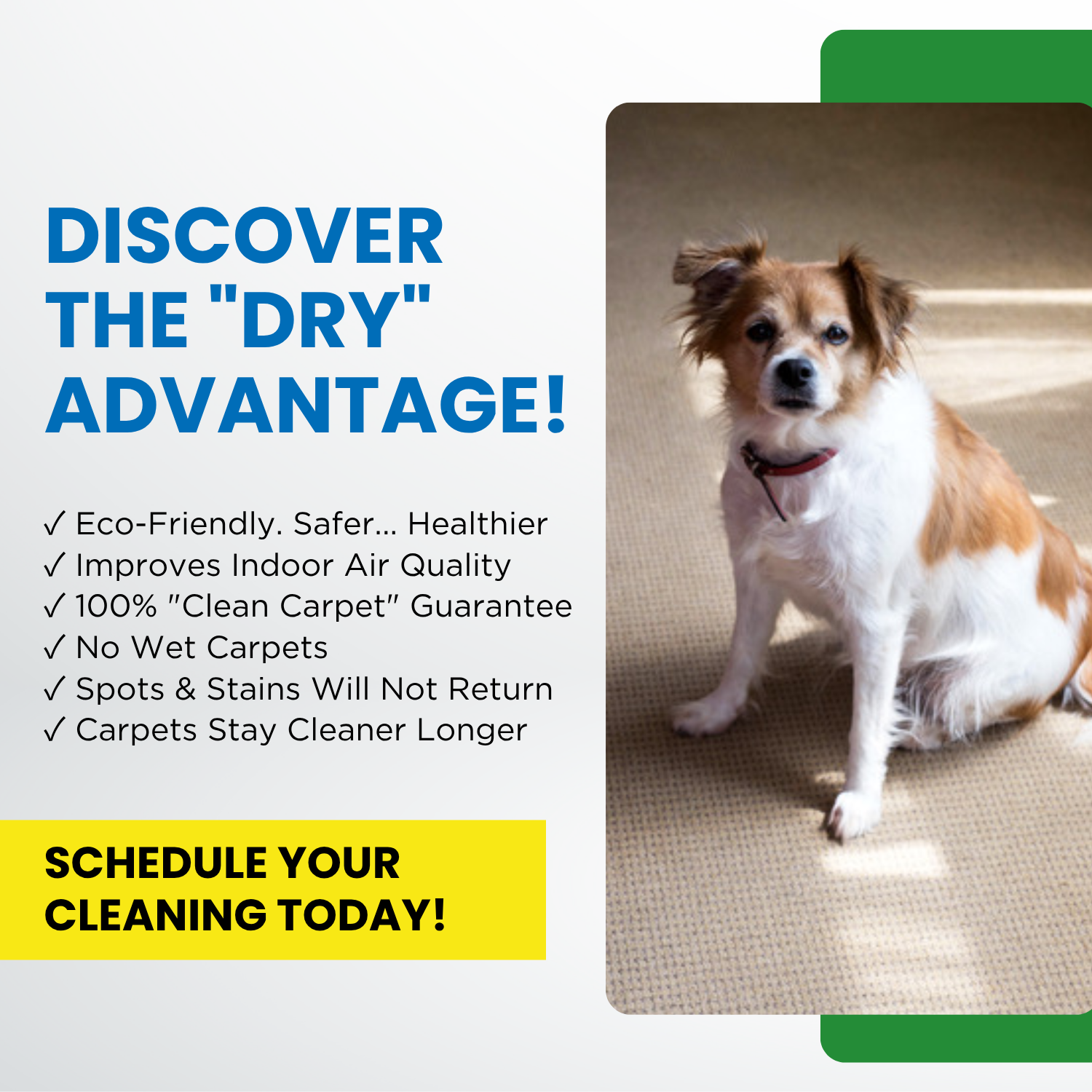
A recent Safe-Dry® social post shared a simple reminder that homeowners should blot spills instead of rubbing them. This guide explains what to do when something spills on your area rug, why stains become harder to remove, how professional rug cleaning helps, and when it makes sense to schedule service with Safe-Dry®.
Area rugs are different from wall-to-wall carpet. Many rugs are made with woven fibers, layered construction, backing materials, dyes, fringe, borders, and delicate patterns. Some rugs are synthetic and durable, while others need a more careful approach. Oriental rug cleaning, for example, often requires special attention because the fibers, dyes, and construction may react differently to moisture, heat, or cleaning products.
Because of these differences, area rug cleaning should never be treated like a basic wipe-down. A rug can look strong on the outside but still be sensitive to scrubbing, over-wetting, or harsh products. In many cases, the wrong cleaning method can spread a stain, create water rings, fade colors, or leave a sticky residue behind.
Rugs also sit where life happens. They are placed under dining tables, beside couches, in hallways, in bedrooms, and near entryways. As a result, they collect a mix of dry soil and wet spills. Dry soil acts like fine sandpaper when people walk across the rug. Meanwhile, spills can sink into fibers and backing if they are not handled quickly.
This is why routine rug cleaning matters. It helps remove the buildup that vacuuming cannot fully reach. It also helps rugs stay brighter, softer, and fresher for everyday family life.
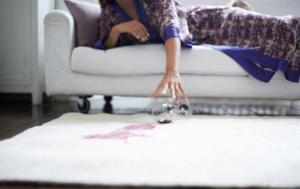
The biggest mistake after a spill is rubbing the rug right away. Rubbing feels useful because it creates movement. However, that movement can push the spill deeper into the fibers. It can also spread the liquid outward, making the stained area larger than it was at first.
When a spill lands on a rug, the liquid begins moving into the fiber structure. Some spills stay near the surface for a short time, while others absorb quickly. Coffee, juice, wine, soda, sauces, pet accidents, and oily foods can become especially frustrating because they may contain dyes, sugars, acids, proteins, or oils.
Rubbing can damage the rug in several ways. First, it can distort fibers and create a fuzzy or worn-looking patch. Next, it can drive the spill into the backing. After that, moisture may stay trapped longer than expected. As the rug dries, residue can rise back to the surface and create a stain that seems to return.
Blotting is safer because it lifts moisture instead of forcing it downward. A clean, dry towel can absorb much of the spill before it spreads. This simple habit can make a major difference.
Spills do not always stay where they land. Rug fibers can pull moisture sideways and downward. This movement depends on the rug material, pile height, backing, spill type, and how quickly the spill is treated.
A thick rug may absorb liquid into the pile before the homeowner can react. A flatweave rug may allow liquid to travel across the surface faster. A rug with a dense backing may trap moisture between layers. In some cases, the stain visible on top is only part of the problem.
Sugary drinks can leave sticky residue. Greasy spills can cling to fibers. Pet urine can move into the backing and create odor concerns. Colored drinks may bond with fibers if they sit too long. Even plain water can cause issues if the rug becomes soaked and does not dry properly.
Because every spill behaves differently, area rug cleaning works best when the rug is treated with the right process for the fiber and stain type.
Quick action helps protect your rug, but the right steps matter. The goal is to remove as much of the spill as possible without spreading it, soaking the rug, or damaging the fibers.
Start with a clean white towel or absorbent cloth. Press gently over the spill and lift straight up. Repeat with a dry part of the towel until no more moisture transfers easily.
Avoid colored towels because dye may transfer to the rug. Paper towels can help in a pinch, but a clean white cloth usually works better for larger spills.
Blotting works because it absorbs liquid from the top down. It does not grind the spill deeper into the fibers. A gentle pressing motion is enough.
Always blot from the outside edge of the spill toward the center. This helps prevent the stain from spreading. If you start in the middle and move outward, the spill can grow wider.
This step is especially important for colored liquids such as juice, sports drinks, coffee, tea, and sauces. Even a small stain can become much larger when rubbed across the rug.
Take your time. A few extra minutes of careful blotting can make the rest of the cleanup easier.
If the spill includes food, mud, or thick material, gently lift solids before blotting. Use a spoon, dull edge, or clean cloth. Avoid scraping aggressively because that can pull fibers or spread residue.
For mud, it may be better to let heavy clumps dry first, then vacuum them carefully. Wet mud can smear quickly if rubbed too soon.
Once solids are removed, continue blotting any remaining moisture.
A little cool water may help dilute some spills, but too much water can create a bigger problem. Lightly dampen a cloth and blot the area. Do not pour water directly onto the rug.
Over-wetting can push the stain into the backing. It may also slow drying and lead to musty odors. Many rug problems start when homeowners use too much water while trying to clean a small stain.
Cool water is usually safer than hot water. Heat can set certain stains, especially protein-based stains.
Many stain removers promise fast results, but they may not be safe for every rug. Some products can bleach fibers, leave residue, create color loss, or attract more dirt later. Products with strong fragrances can also mask odors instead of removing them.
Before using any cleaner, check the rug care tag if available. Test a tiny hidden area first. If the rug is expensive, delicate, handmade, wool, silk, or heavily dyed, professional rug cleaning is usually a safer choice.
After blotting, allow the rug to dry completely. Airflow helps. Use a fan nearby, but avoid high heat. Do not place furniture back on the damp area until the rug is dry.
Moisture trapped under furniture legs can create stains or marks. Damp rugs can also develop odor when air cannot circulate.
If the rug still smells after drying, the spill may have reached deeper layers. At that point, professional area rug cleaning can help address what surface cleaning missed.
Moisture control is one of the most important parts of rug care. Many homeowners think more water means a deeper clean. In reality, too much water can carry soil deeper into the rug. It can also create long drying times.
When a rug stays wet too long, odors may develop. The backing may weaken. Colors may bleed. Dirt may wick back to the surface. In some cases, the rug may feel stiff or look uneven after drying.
Safe-Dry® focuses on quick-drying cleaning because families need their homes back to normal without waiting all day. Quick drying also helps reduce the risk of moisture-related problems.
This is one reason homeowners searching for area rug cleaning near you, carpet cleaners near you, or a carpet cleaner near you often look for a company that understands both stain removal and drying time. A clean rug should feel fresh, not damp or sticky.
Spills are easy to notice because they happen suddenly. Dirt buildup is different. It happens slowly, day after day. Every step across a rug can bring in outdoor soil, pollen, dust, and debris. Pets add hair, dander, and odors. Kids bring crumbs, craft materials, and outdoor particles. Even clean-looking shoes can carry grit into rug fibers.
Vacuuming helps, and it should be part of regular rug care. However, vacuuming usually removes loose surface debris. It may not remove oils, residues, fine particles, or allergens buried deeper in the pile.
As dirt builds up, a rug may start to look dull. The fibers may feel rough. High-traffic areas may appear darker than the edges. Odors may become more noticeable when the weather is humid or when the home is closed up.
Professional area rug cleaning helps remove trapped soil and refresh the rug more thoroughly than surface cleaning alone.
Rugs can act like filters inside the home. They capture dust, pollen, pet dander, and other small particles that settle from the air. This can be helpful when rugs are cleaned regularly. However, when rugs become overloaded with particles, normal foot traffic can release some of that buildup back into the room.
Families with children, pets, allergies, or sensitive noses may notice when rugs need cleaning. Sneezing, musty smells, pet odors, or a general lack of freshness can all be signs that soft surfaces need attention.
For general information about indoor air concerns, homeowners can review resources from the U.S. Environmental Protection Agency at https://www.epa.gov/indoor-air-quality-iaq. Inside the home, simple habits like vacuuming, improving airflow, controlling humidity, and scheduling deep cleaning services can all support a fresher environment.
Area rug cleaning is not just about appearance. It is also about making the home feel cleaner and more comfortable.
Pet accidents are one of the most common reasons homeowners schedule rug cleaning. A pet accident may look like a small spot, but urine can travel through the rug and into the backing. Once that happens, odor becomes harder to remove.
Pet urine removal requires more than fragrance. A pet odor eliminator should address the source of the smell, not just cover it. The same applies to dog urine removal, cat urine removal, and general pet accident cleaning.
When urine dries, odor can become stronger in humid conditions. Pets may also return to the same area if the odor remains. This creates a cycle of repeated accidents and deeper contamination.
Safe-Dry® can help with pet odor removal, pet stain removal, urine odor removal, carpet odor removal, and pet stain and odor removal for rugs and nearby carpeted areas. When homeowners search for pet urine carpet cleaning or ways to remove pet smell from carpet, they are usually looking for a real solution that reaches beyond the surface.
For rugs, the cleaning approach depends on the rug type, the accident location, and how long the urine has been there. Faster service usually improves the chance of better results.
Different spills require different care. A water spill is not the same as coffee. Juice is not the same as grease. Pet urine is not the same as mud. Understanding the spill type helps homeowners avoid mistakes.
Coffee and tea can leave brown discoloration because of tannins. Juice and sports drinks may contain dyes and sugar. Wine can spread quickly and leave strong color behind. Food sauces may contain oils, acids, and pigments. Grease can cling to fibers. Milk and dairy spills may create odor if not fully removed. Pet urine can affect both stain and smell.
Because stains behave differently, one cleaner cannot solve every problem safely. This is why stain removal service is helpful for more stubborn marks. Professional carpet cleaners understand how to choose the right cleaning method for the situation.
A careful approach protects the rug while helping remove the stain more effectively.
Some cleaning products leave residue behind. This residue can feel sticky or stiff, and it can attract new dirt after the rug dries. The rug may look clean for a short time, then become dull again because soil sticks to the leftover residue.
Soap-free cleaning helps reduce that problem. When done correctly, it leaves the rug feeling cleaner without a heavy product buildup. This matters for rugs in family rooms, bedrooms, play areas, and spaces where pets like to rest.
Safe-Dry® focuses on safe, hypoallergenic, soap-free cleaning methods where appropriate because families want a clean home without strong odors or unnecessary residue. This is especially helpful for households looking for eco friendly carpet cleaning or certified carpet cleaning options that fit a healthier home routine.
Many homes have both rugs and carpet. A rug may sit over hardwood, tile, or carpet. If a rug is dirty, the surrounding flooring may also collect soil. If the carpet under or around the rug holds odors, the room may still smell even after the rug looks clean.
This is why area rug cleaning often pairs well with carpet cleaning services. Homeowners in Chapin, South Carolina may search for carpet cleaning Chapin South Carolina, Chapin carpet cleaning, carpet cleaners Chapin South Carolina, or carpet cleaning near you when the whole room needs attention.
Professional carpet cleaning can refresh wall-to-wall carpet, while rug cleaning focuses on the specific needs of area rugs. Together, these services can help the room look brighter and feel cleaner.
Safe-Dry® also provides upholstery cleaning, which can be useful when spills, pet odors, or allergens affect couches and chairs near the rug. Soft surfaces work together in a home, and cleaning them together can make a noticeable difference.
Vacuuming is one of the best things homeowners can do between professional cleanings. It removes loose soil before it sinks deeper. It also helps reduce dust, pet hair, and crumbs.
For most rugs, vacuuming once or twice a week is helpful. High-traffic rugs may need more frequent attention. Rugs in low-traffic rooms may need less. Always adjust the vacuum height when possible, and use gentle suction for delicate rugs.
However, vacuuming has limits. It cannot fully remove sticky residue, deep stains, urine odor, embedded allergens, or trapped oils. It also cannot correct color changes caused by old spills.
If a rug still looks dull after vacuuming, smells unpleasant, or has visible stains, deep cleaning services may be the next step.
Professional area rug cleaning is designed to handle more than surface dirt. While each rug may need a slightly different approach, the overall process focuses on inspection, safe cleaning, stain treatment, odor control, and proper drying.
The process begins with a careful look at the rug. The cleaning technician checks the fiber type, construction, backing, stains, odors, traffic patterns, and any areas that need special care.
This inspection helps determine the safest and most effective cleaning plan. A delicate rug should not be treated the same way as a durable synthetic rug in a busy entryway.
Dry soil removal is an important step because loose dirt can turn muddy when moisture is added. Removing as much dry soil as possible first helps the cleaning process work better.
This step may include vacuuming or other soil-removal methods depending on the rug.
Visible spills and spots receive focused care. Carpet stain removal and rug stain treatment depend on what caused the stain. A food stain, pet stain, and drink stain may need different techniques.
The goal is to loosen and lift the stain without damaging the rug fibers or leaving behind residue.
If the rug has pet odors, food smells, mustiness, or general odor concerns, odor elimination may be part of the service. Carpet deodorizing and carpet odor removal can also help nearby carpeted spaces.
For pet accidents, deeper treatment may be needed because urine can move below the visible surface.
Safe-Dry® uses family-friendly cleaning methods with an emphasis on safe, hypoallergenic, soap-free, and quick-drying care where appropriate. The cleaning process helps remove soil, odors, allergens, and stains while keeping the home routine in mind.
Families do not want rugs soaked for long periods. Quick-drying service helps make the process more convenient.
Drying matters as much as cleaning. A rug should dry properly before heavy use returns. Proper drying helps reduce odor concerns and keeps the rug feeling fresh.
The best cleaning schedule depends on how the rug is used. A rug in a formal room may stay cleaner longer. A rug in a family room may need service more often. Homes with kids, pets, allergies, or heavy foot traffic usually benefit from more frequent cleaning.
As a general guideline, area rugs should be professionally cleaned every 12 to 18 months. High-traffic rugs may need cleaning every 6 to 12 months. Rugs with pet accidents, strong odors, or visible stains should be cleaned sooner.
Regular cleaning helps protect the rug and prevents soil from becoming deeply packed into the fibers. It also keeps the home looking more cared for.
Some signs are obvious. Others are easy to miss. A rug may need professional area rug cleaning if it looks darker in walkways, smells musty, feels sticky, has visible stains, or releases dust when shaken.
Pet odors are another warning sign. If a room smells fresh after cleaning hard surfaces but still has an odor, the rug may be holding the source. The same can happen with nearby carpet, furniture, or upholstery.
A rug may also need cleaning if allergy symptoms seem worse indoors. Soft surfaces can hold pollen, dust, and dander, especially during seasonal changes in Chapin, South Carolina.
If you are unsure, a professional carpet cleaner can inspect the rug and recommend the best next step.
Kids spend a lot of time close to rugs. They sit on them, play on them, snack on them, and sometimes nap on them. This makes rug cleanliness especially important in family spaces.
Crumbs, spills, markers, craft supplies, and outdoor dirt can all build up quickly. A rug in a playroom or living room may need more frequent vacuuming and occasional professional cleaning.
Safe, hypoallergenic cleaning is a strong fit for family homes because it focuses on freshness without harsh residue. Parents want floors that feel comfortable and clean for everyday moments.
Area rug cleaning can help create a cleaner space for games, movie nights, crawling babies, and family gatherings.
Pets bring joy, but they also bring extra cleaning needs. Hair, dander, tracked-in dirt, drool, and accidents can settle into rugs. Even well-trained pets can have occasional accidents due to illness, stress, age, or schedule changes.
Pet odor removal is especially important because odors can linger in soft fibers. Pet stain removal should also be handled carefully to avoid spreading the stain or setting it deeper.
For homes with dogs or cats, vacuuming more often helps. Using washable entry mats can also reduce tracked-in dirt. However, professional rug cleaning is still important when odors, stains, or deep soil are present.
Safe-Dry® can help with dog urine removal, cat urine removal, pet accident cleaning, and pet stain and odor removal when home cleaning is not enough.
DIY care is helpful for quick spills and routine maintenance. However, DIY cleaning has limits. Homeowners often lack the tools, cleaning solutions, drying equipment, and fiber knowledge needed for deeper rug care.
A rented machine or store-bought carpet cleaner may use too much water. It may also leave residue behind. Some products can cause discoloration, especially on delicate rugs.
Professional carpet cleaning services provide a more careful and complete process. Trained carpet cleaners know how to inspect fibers, identify problem areas, treat stains, control moisture, and support proper drying.
This does not mean every small spill needs professional cleaning. A quick blot may handle a minor water spill. However, professional area rug cleaning is a smart choice for valuable rugs, large spills, pet urine, strong odors, old stains, or rugs that look dull despite vacuuming.
Homeowners often search for carpet cleaning prices, carpet cleaning cost, carpet cleaning deals, carpet cleaning specials, carpet cleaning coupons, cheap carpet cleaning, affordable carpet cleaning, or a free carpet cleaning quote when comparing services.
Price matters, but value matters too. The cheapest option may not always be the safest option for a rug. A rug can be expensive to replace, especially if it has sentimental value, a unique pattern, or a high-quality construction.
A professional carpet cleaning estimate should consider the rug size, fiber type, condition, odor concerns, stain severity, and cleaning needs. Safe-Dry® makes it easy to request a quote and learn what service is recommended before moving forward.
Affordable carpet cleaning should still be careful, safe, and effective. A good cleaning service protects your home, your rug, and your time.
Families do not want to rearrange their whole day around wet rugs and damp floors. Quick-drying cleaning helps reduce disruption. It also helps prevent moisture from lingering in the rug or the home.
This is especially helpful in active households where kids, pets, and daily routines keep moving. A rug that dries faster can return to normal use sooner.
Quick drying also helps with odor control. When rugs stay damp too long, smells can develop. Proper cleaning and drying help keep the rug fresh.
For homeowners searching for same day carpet cleaning or emergency carpet cleaning after a spill, speed matters. However, the process should still be safe for the rug. Fast service should never mean rushed care.
Good habits can extend the life of your area rug. They can also reduce stains, odors, and buildup between appointments.
Start by vacuuming regularly. Use a vacuum setting that fits the rug type. Avoid aggressive beater bars on delicate rugs. Rotate rugs every few months to spread foot traffic more evenly.
Place mats near entrances to reduce outdoor soil. Ask family members to remove shoes when possible. Clean pet paws after outdoor time, especially after rain.
Blot spills immediately. Work from the outside in. Avoid soaking the rug. Let the area dry completely. These simple habits can prevent many common rug problems.
For rugs under dining tables, check often for crumbs and small spills. Food residue can attract dirt and create odors. For rugs in pet areas, inspect regularly for accidents or damp spots.
Regular care keeps rugs looking better and makes professional cleaning more effective when the time comes.
High-traffic rugs need extra attention because they collect more soil. Living rooms, hallways, entryways, and dining rooms often show wear first.
Rotating the rug helps prevent one area from becoming worn faster than the rest. Rug pads can also help reduce movement and provide cushioning. A quality rug pad may help protect the backing and reduce friction between the rug and the floor.
Vacuum high-traffic areas more often. Quick vacuuming a few times a week can reduce grit before it damages fibers.
Schedule professional area rug cleaning before the rug looks heavily soiled. Waiting too long can allow soil to become packed into the fibers. Regular cleaning helps preserve the rug’s appearance and comfort.
Some stains seem to disappear after cleaning, then return later. This is often called wicking. It can happen when a spill reaches deeper layers. As the rug dries, residue moves back toward the surface.
Wicking is common when rugs are over-wet during DIY cleaning. It can also happen with large spills, pet urine, coffee, and sugary drinks.
If a stain keeps returning, more surface cleaning may not solve it. Professional cleaning can help treat the deeper source of the problem.
Recurring stains are a sign that the rug needs more than a quick touch-up. The sooner it is addressed, the easier it may be to improve.
Odors can come from many sources. Pet accidents, spills, humidity, smoke, food residue, and trapped dirt can all create smells. Rugs absorb odors because their fibers and backing can hold particles and moisture.
Fragrance sprays may make the room smell better for a short time, but they rarely remove the source. In some cases, they mix with the odor and make the smell worse.
Real odor elimination focuses on removing the material causing the odor. This may include deep soil removal, pet urine removal, carpet deodorizing, and proper drying.
If a rug smells even after vacuuming, professional area rug cleaning is a smart next step.
A clean rug can change the feel of a room. The space looks brighter. The floor feels fresher. Odors become less noticeable. Family members may feel more comfortable sitting or playing on the rug.
Because rugs collect dirt from shoes, pets, and daily life, cleaning them also helps reduce what spreads to nearby flooring. A dirty rug can transfer soil to carpet, hardwood, tile, and furniture.
This is why many homeowners schedule rug cleaning along with professional carpet cleaning or upholstery cleaning. Cleaning soft surfaces together can give the home a more complete refresh.
Safe-Dry® offers cleaning options that support cleaner homes without unnecessary hassle.
Homeowners in Chapin, South Carolina 29036 know how quickly daily life can show up on floors. Between family routines, pets, weather changes, outdoor activities, and visitors, rugs work hard every day.
Safe-Dry® is proud to help local families keep their homes cleaner and healthier. Whether you need area rug cleaning, carpet cleaning service, rug cleaning, pet odor removal, or carpet stain removal, our team focuses on safe, friendly, and effective service.
If you are comparing carpet cleaners in Chapin, South Carolina, looking for top rated carpet cleaning, or searching for the best carpet cleaning option for your home, Safe-Dry® is ready to help.
You can learn more about local service options through Safe-Dry® at https://safedryofchapin.com/.
Blot the spill immediately with a clean white towel. Press gently and lift straight up. Work from the outside edge toward the center. Avoid rubbing because it can spread the stain and push it deeper into the rug fibers.
Some products may be safe for certain rugs, but others can cause color loss, residue, or fiber damage. Always test a hidden spot first. For valuable, delicate, wool, silk, or heavily dyed rugs, professional area rug cleaning is usually the safer choice.
Most area rugs benefit from professional cleaning every 12 to 18 months. Rugs in busy homes, pet areas, dining spaces, or high-traffic rooms may need cleaning every 6 to 12 months.
Yes, professional rug cleaning can help with pet odor removal, pet stain removal, urine odor removal, and odor elimination. Pet accidents can reach deeper layers of the rug, so surface cleaning may not fully solve the smell.
Yes. Area rugs often have different fibers, dyes, backing materials, and construction than wall-to-wall carpet. Professional carpet cleaning and rug cleaning both remove soil and stains, but the process should match the material being cleaned.
In many cases, yes. Homeowners often schedule area rug cleaning along with carpet cleaning services, upholstery cleaning, or pet stain and odor removal for a more complete home refresh.
The rug may have been over-wet, dried too slowly, or still have residue trapped in the fibers or backing. Pet urine, food spills, and moisture can create lingering odors. Professional cleaning can help treat the source.
Quick-drying methods are helpful because they reduce downtime and limit moisture concerns. Rugs should not stay damp longer than necessary. Proper drying helps protect freshness, comfort, and odor control.
Vacuum regularly, rotate the rug, use entry mats, blot spills quickly, avoid soaking the rug, and schedule professional cleaning before heavy soil builds up.
Contact Safe-Dry® to request a free carpet cleaning quote or rug cleaning estimate. A team member can help review your needs, explain service options, and recommend the best cleaning plan for your home.
Spills do not have to ruin your favorite rug. The key is to act quickly, blot carefully, avoid soaking the fibers, and call in professional help when stains, odors, or deep soil need more attention.
Safe-Dry® helps families in Chapin, South Carolina 29036 enjoy cleaner, fresher homes with area rug cleaning, carpet cleaning, upholstery cleaning, pet odor removal, and stain removal service options designed around real life. Our safe, hypoallergenic, soap-free, and quick-drying approach makes it easier to refresh your home without turning your routine upside down.
If your rug has a fresh spill, an old stain, pet odor, or a dull traffic pattern, now is a great time to schedule service. Request a quote, ask about current carpet cleaning specials, or connect with Safe-Dry® to find the right cleaning option for your home. A cleaner rug can make the whole room feel brighter, fresher, and more comfortable for the people and pets you love most.