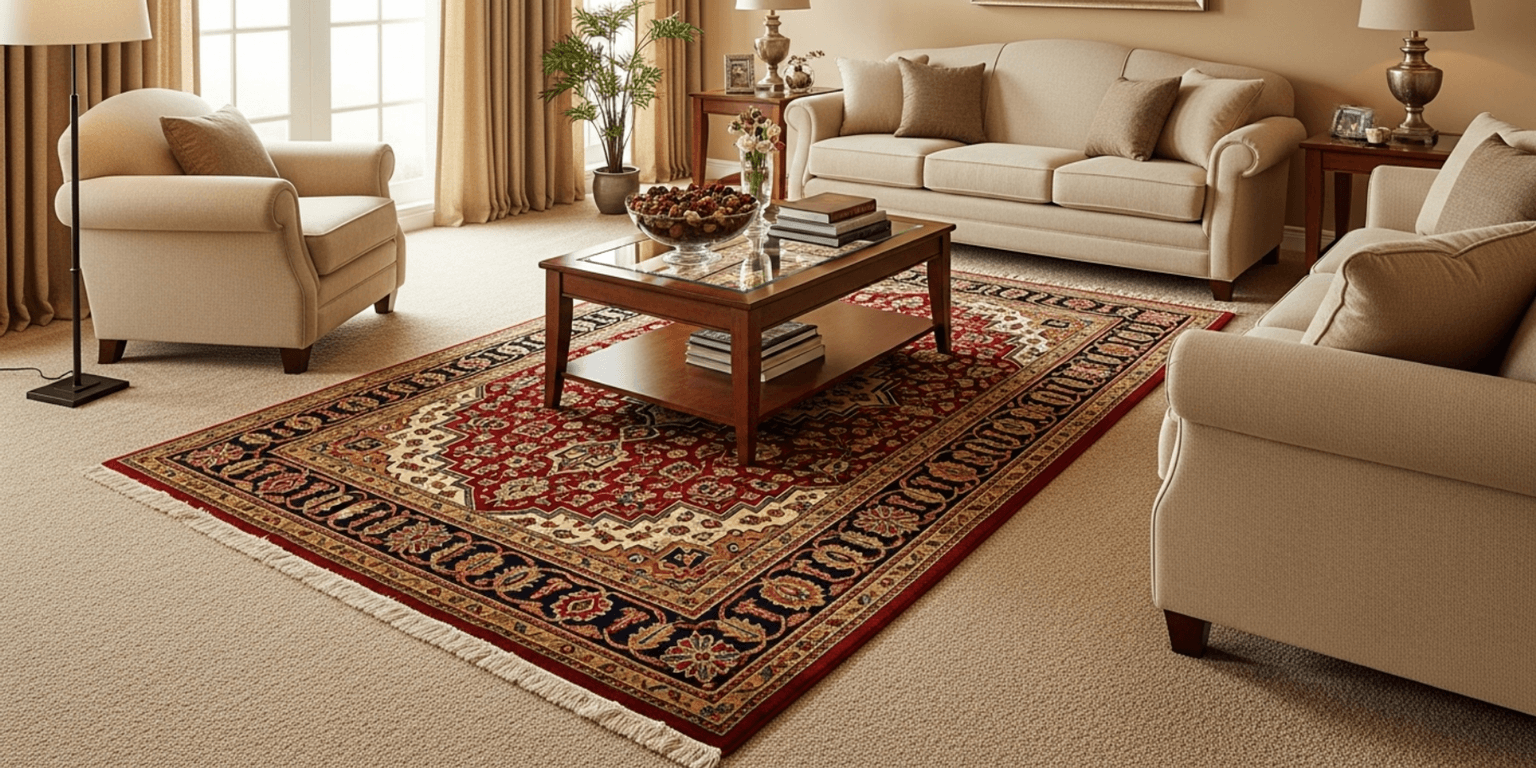
The call usually starts the same way. The rug belonged to a grandmother, it has sat under a dining table for thirty years, and nobody in the family wants to be the person who ruined it. Fair enough. A hand-knotted rug is a different animal from the machine-made one in the den, and it should be handled like one.
Safe-Dry of Chapin cleans oriental rugs in your home, on your own floor. The rug never rides in a truck, and it's back in use the same day. We work on Persian and Turkish rugs, Afghan and Pakistani pieces, Indian and Chinese silk, wool and cotton foundations, hand-knotted and hand-woven work, and older collectible rugs. Every one of them counts for the rug coupon.
Why these rugs need their own plan
Two things make an oriental rug touchy. The first is dye. Plenty of older rugs, and some newer ones, use dyes that bleed when they get too wet or meet the wrong chemistry, and once a red runs into an ivory field it's very hard to put back. The second is the foundation. The warp and weft threads under the knots are usually cotton or wool, and soaking them can make the rug shrink unevenly, so it stops lying flat or the edges start to ripple.
Both problems trace back to water. Our method uses very little of it, and the foundation stays dry.
Humidity is the third complication here. A wool rug left wet through an August week can grow mildew in the foundation or come out smelling like a damp dog, and Chapin air off the lake doesn't help anything dry. Keeping the moisture low is how we keep drying to a few hours.
What we do, in order
- Identify the fibers and weave. The technician looks at the knots, the back, and the fringe, then tests each dye color in an out-of-the-way spot. If anything bleeds, we stop and tell you.
- Get the dry soil out. Hand-knotted wool holds a startling amount of fine grit down near the knots, and that grit slowly cuts the fiber. It comes out before any liquid touches the rug.
- Pre-treat the spots. Spills, traffic shading, and pet accidents get a gentle, pH-balanced product that's safe on natural dyes.
- Clean with low moisture. Soil and old residue lift out of the pile while the rug stays only slightly damp.
- Go after odor and allergens. Thick wool pile traps dander and pollen, and urine smell settles deep in it, so an odor treatment works on the source.
- Condition and groom. A fiber conditioner softens the wool and helps the colors read clearly, and the pile gets brushed back in its natural direction.
- Dry it flat and check it together. Drying usually takes a few hours, and you look it over with the tech before we leave.
Honest limits
We'll tell you when a rug needs more than cleaning. Broken warps, a rotted foundation, moth damage, and fringe that's coming apart are repair work. A rug with truly unstable dyes may be better off with a specialist who washes rugs in a plant. We'd much sooner send you to the right person than gamble with something irreplaceable, and we'll say so during the inspection.
Silk takes extra caution on top of all that. Real silk pile water-spots easily and loses its sheen if it's rubbed, so a silk rug gets a lighter hand and fewer passes, and some stains on silk are better left alone than chased.
Old pet stains are the other gray area. The smell nearly always goes. The mark might fade and stay faintly visible, because urine can strip or shift natural dye, and that change is permanent.
What regular cleaning gets you
Dust and body oil build into a dull film that flattens the colors and muddies the pattern. When it comes off, the border and medallion snap back into focus, and people are often surprised at how much brighter the reds are. A clean rug also stops acting as a reservoir for dander and pollen, which counts during the spring stretch when the whole Midlands turns yellow.
Our rule of thumb for a hand-knotted rug in normal use is a cleaning every 12 to 18 months. With pets, go toward the short end. Kept on that schedule, a good rug holds its value and looks for decades.
A few habits between cleanings do as much as the cleaning itself. Turn the rug end for end once a year so sun from the window and traffic from the kitchen door wear it evenly. Vacuum the face with the beater bar off, or use a suction-only tool, and keep the vacuum away from the fringe entirely. Put a real rug pad under it. A felt or natural rubber pad stops the rug from shifting, which is what breaks down the foundation along the traffic path, and it lets air move under the rug through a damp South Carolina summer.
Spills on wool want blotting with cold water and a white towel. Hot water, colored towels, and anything from the cleaning aisle labeled oxy can set a stain or strip a dye on a natural-fiber rug.
Booking
You hear the price before any work starts. A rug that doesn't look right to you when we finish gets another pass, and if it still falls short, there's no charge. If wall-to-wall carpet is getting done the same day, our carpet cleaning visit can cover both, and machine-made rugs fall under area rug cleaning. The $25 rug discount is waiting on our deals page. Phone 803-310-3848 or pick a time online.