Menu
Same-Day Service Available!

How Often Should You Get Upholstery Cleaning in Chapin, South Carolina is a question that sounds simple until you think about what a couch actually goes through. It’s the family hangout spot. It’s where snacks happen. It’s where pets nap. It’s where kids bounce, guests sit, and everyone relaxes at the end of the day. Even if you vacuum and tidy regularly, upholstery fibers quietly trap dust, pollen, body oils, crumbs, and pet hair. Over time, that buildup can make fabric look dull, feel sticky in the “favorite seat,” or carry a faint odor that never fully goes away.
Here’s the tricky part: most couch problems don’t show up all at once. They build slowly. First, it’s a little discoloration on the arms. Then, the cushions start looking darker where people sit. After that, you notice odors more on humid days or when the heat kicks on. Indoor conditions matter. The EPA explains that ventilation, temperature, and humidity can affect indoor air quality, and that heat and humidity can increase the concentration of some indoor pollutants.
So, if your couch looks fine from across the room but feels less fresh up close, you’re not imagining it. Upholstery is a soft surface, and soft surfaces hold onto what your home lives with every day. That’s exactly why a smart upholstery cleaning schedule matters just as much as carpet cleaning services, rug cleaning, or deep cleaning services in general.
In this blog, you’ll learn how to clean a couch the right way, starting with fabric codes. You’ll also learn how to handle stains and odors without causing water rings, discoloration, or sticky residue. Most importantly, you’ll leave with a clear answer for How Often Should You Get Upholstery Cleaning in Chapin, South Carolina based on your lifestyle, not a random guess.
A lot of DIY couch cleaning goes wrong for one reason: too much moisture. Over-wetting can lead to water rings, long dry times, trapped odors, and fabric that feels stiff afterward. That’s why many families prefer low-moisture upholstery cleaning that cleans thoroughly but dries quickly.
Safe-Dry® has over 30 years of experience and is known for low-moisture cleaning with fast dry times and a satisfaction guarantee. Their upholstery cleaning page highlights quick-drying results, non-toxic, hypoallergenic solutions, and customized cleaning based on fabric type, including help with pet odor removal from upholstery.
And if you’re looking for local support, Safe-Dry® Carpet Cleaning of Chapin specifically lists upholstery cleaning that refreshes and protects furniture by removing dirt, stains, and allergens.
Next, we’ll get into the step-by-step process, including fabric codes, safe cleaning routines, stain removal service tips, and odor elimination strategies. After that, we’ll lock in the exact cleaning frequency that makes sense for your home.
Your couch should have a care tag, usually:
Look for a cleaning code. These codes aren’t decoration. They’re the rules that protect your fabric.
Common upholstery fabric codes:
If you ignore the code, you risk discoloration, rings, shrinkage, or fiber damage. Professional upholstery cleaning technicians typically test and choose methods based on fiber type and dye stability, and the IICRC publishes professional upholstery cleaning standards (S300) that reflect safe, structured procedures.
Quick decision:
Two couches can share the same code and still react differently.
Common fabrics and what to watch:
If the couch is light colored, vintage, expensive, or sentimental, treat it like it has a lower risk tolerance.
Even if the code says W, always test.
How to test:
If color transfers, stop. Call professional upholstery cleaning in Chapin, South Carolina rather than guessing.
Here’s the truth: if you don’t remove dry soil first, moisture turns it into grime.
Vacuum routine that actually works:
Pro tip: If pets live on the couch, vacuum slowly. Pet hair mats into fabric and holds odors, so this step helps pet odor removal even before you touch a cleaner.
Scrubbing is the fastest way to make stains bigger and fabric rougher. Blotting is what protects fibers.
Safe spot-cleaning steps for W or WS fabrics:
For S code fabrics:
Spot cleaning can leave a bright clean circle on a couch that’s generally dull. If the couch has overall buildup, do a light full clean.
Low-moisture “whole couch refresh” for W or WS fabrics:
Rule that saves couches: your couch should never feel wet. Slightly damp is the goal.
Most couch discoloration is not “dirt.” It’s body oils + dust + time.
Common oil zones:
How to clean oil zones safely:
If oil zones don’t improve, professional upholstery cleaning is often the best next step because technicians can choose stronger but fabric-safe methods.
Couch odors come from:
What usually fails:
Better odor elimination approach:
If odor returns after the couch dries, the source may be in the cushion core or deeper padding. That’s when professional upholstery cleaning makes a huge difference.
Drying prevents:
Drying checklist:
The EPA advises keeping indoor humidity in a healthy range (often 30–50%) and using ventilation and dehumidification strategies to manage moisture. Better airflow and proper humidity help upholstery dry faster and feel fresher.
After cleaning and drying:
This step makes the couch look uniform instead of “clean but weird.”
DIY is usually fine when:
Call professional upholstery cleaning in Chapin, South Carolina when:
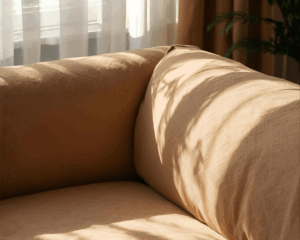
Upholstery is a soft surface that traps daily life. When it’s clean, the entire room feels lighter. That’s why people often say upholstery cleaning “changed the vibe” more than they expected.
A couch is also a high-contact surface. You may not notice how much buildup is there until it’s gone.
Indoor air quality is affected by pollutant sources, ventilation, temperature, and humidity. When upholstery holds dust, dander, and odors, those can feel more noticeable during warm, humid conditions.
Cleaning upholstery regularly helps reduce soft-surface buildup and supports a cleaner-feeling home, especially in busy living spaces.
Odors change how you feel in a room. A couch that smells stale makes a clean room feel less clean.
Professional upholstery cleaning targets odor sources instead of masking them, which makes the results feel more permanent.
Soil and grit act like sandpaper on fibers. Oils can weaken and discolor fabric. Regular upholstery cleaning helps protect delicate fibers and reduces early wear.
If you’ve invested in nice furniture, maintaining it is almost always cheaper than replacing it.
Furniture sits near carpets and rugs, so soil transfers between surfaces. Many families schedule upholstery cleaning along with carpet cleaning services or area rug cleaning to refresh the whole living space at once.
If you’re already looking for carpet cleaning near you or deep cleaning services, adding upholstery cleaning makes the results feel more complete.
Use this as a realistic schedule that matches real homes:
Light-use home (no pets, no kids, low traffic)
Typical family use (regular lounging, occasional guests)
Pet home (dogs or cats on furniture, shedding, occasional accidents)
Busy home (kids + pets + frequent gatherings)
If you’ve been asking How Often Should You Get Upholstery Cleaning in Chapin, South Carolina, the simplest trigger is this: if the couch looks darker in common areas, smells less fresh, or feels sticky on arms or headrests, it’s time.
Spend 10 minutes a week:
This routine reduces buildup and makes professional cleanings last longer.
Once a month:
Small habits prevent “one seat looks old” problems.
Set up simple rules:
The faster you treat spills, the less likely you’ll need a heavy stain removal service later.
Food and drink spills
Grease or body oils
Ink or marker
Pet accidents on upholstery
Try these instead of fragrance sprays:
If your home smells fine most of the day but smells weird when you walk in, that’s often soft surfaces holding odor.
Avoid these common DIY mistakes:
If you want a couch that looks good and dries fast, low moisture and fast drying are your best friends.
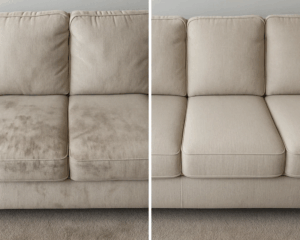
Safe-Dry’s upholstery cleaning process highlights a detailed inspection to identify fabric type, level of soiling, and trouble spots, followed by gentle pre-treatment to loosen embedded debris without damaging delicate fabrics. That matters because fabric codes and fiber types aren’t one-size-fits-all.
Safe-Dry emphasizes soap-free, hypoallergenic cleaning as part of the brand mission. Residue matters because residue attracts soil. When upholstery feels sticky after cleaning, it gets dirty again faster. A residue-light approach helps results last.
Many Safe-Dry local pages emphasize fast dry time, often around one hour for furniture, which is a big difference compared to methods that keep couches damp most of the day. Fast drying also helps reduce musty odor risk.
Safe-Dry describes being a family-run business with over 30 years of experience and a long-standing commitment to customer satisfaction. That aligns well with homes that want safe, reliable cleaning.
Safe-Dry offers multiple cleaning services beyond upholstery, including carpet cleaning services, rug cleaning, tile and grout cleaning, hardwood floor cleaning, and odor and stain removal. That’s helpful because upholstery doesn’t get dirty in isolation. Homes often want a full living-room reset.
Most upholstery cleaning appointments depend on couch size, fabric type, and how much stain removal service is needed. A standard sofa often takes about one to two hours of active cleaning. Drying time varies based on airflow and cleaning method. Low-moisture cleaning typically dries faster than heavy water-based methods, and Safe-Dry’s approach emphasizes quick-drying results.
Upholstery cleaning can be safe for kids and pets when the process uses fabric-appropriate solutions, keeps moisture controlled, and avoids harsh chemical residue. Safe-Dry positions its cleaning as soap-free and hypoallergenic, and its upholstery process includes inspection and gentle pre-treatment. Keep kids and pets off the couch until it’s fully dry so cushions don’t trap moisture.
If you have pets that lounge on the couch, most homes do best with upholstery cleaning every 6–12 months. If you deal with frequent pet odor removal needs, heavy shedding, or occasional accidents, you may want targeted cleaning sooner and full cleaning at least yearly. Pet hair and dander build up fast, and odors can become more noticeable during warm, humid conditions.
Safe-Dry highlights a process that begins with inspection and fabric identification, then uses gentle pre-treatment to loosen embedded dirt and debris for effective cleaning without damaging delicate fabrics. The brand also emphasizes soap-free, hypoallergenic cleaning and a strong customer-satisfaction focus backed by decades of experience.
Many pet stains and odors can be removed, especially when treated quickly. Blotting, code-safe treatment, residue control, and fast drying all matter. If odor returns after drying, urine may have soaked into cushion cores, and professional upholstery cleaning technicians can target deeper odor sources more effectively. Safe-Dry specifically describes addressing embedded dirt and trouble spots through inspection and pre-treatment, which supports deeper cleaning outcomes.
Dry time depends on fabric, airflow, and method. Low-moisture processes usually dry faster than heavy water-based methods. Many Safe-Dry local pages emphasize fast dry time compared to traditional upholstery cleaning methods. For faster drying at home, run a fan across the couch and keep indoor humidity in a healthy range.
If you want professional upholstery cleaning, you can schedule through the local Chapin site and ask about add-ons like pet odor and stain removal, rug cleaning, or carpet cleaning services if you want a full living-room refresh. You can also review the general upholstery cleaning process and what to expect.
How Often Should You Get Upholstery Cleaning in Chapin, South Carolina depends on your real life, not an internet rule. If your couch is lightly used, every 18–24 months may be enough. If your couch is where the whole family lives, every 6–12 months is usually the sweet spot. And if you have pets, odor buildup, or frequent snacking, you’ll feel the difference faster when you stay on a consistent schedule.
DIY couch cleaning can absolutely work when you follow fabric codes, keep moisture low, remove residue, and dry fast. However, if your couch has an S or X code, if stains and odors keep returning, or if you want fast-drying results without trial and error, professional upholstery cleaning is the easiest way to protect your furniture and refresh your home.
Safe-Dry Carpet Cleaning of Chapin, South Carolina can help you reset your couch with a fabric-aware, low-moisture process and family-friendly results.